Laceration repair, sprains, fractures, splinting, burns and foreign bodies.
Injuries and stitches
Cuts closed properly, joints splinted correctly, and an honest answer about whether the injury belongs in an emergency department instead.
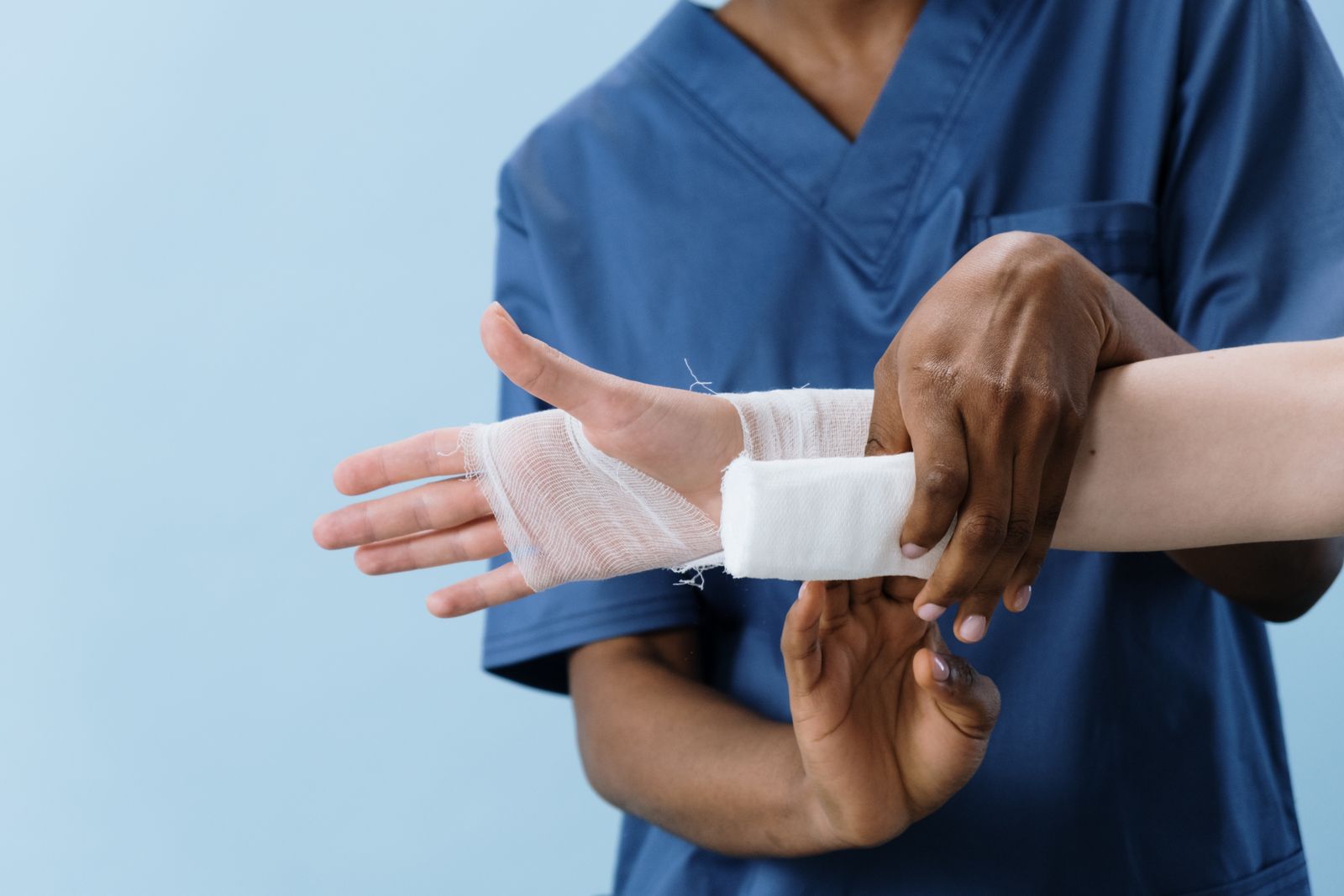
How this works at QuickCare
Wound repair is the most technical thing a good urgent care does routinely, and it is the thing most often done badly. Closure method, timing, anaesthetic choice, irrigation volume and tetanus status all change the outcome, and all of them are decided before the first suture goes in.
Timing matters more than most people expect. Clean wounds on the trunk and limbs are usually closed within about six to twelve hours of injury; wounds on the face, because of their excellent blood supply, can often be closed up to around 24 hours. Past that window, closing a wound traps bacteria, so we clean it, dress it and let it heal from the base.
Every laceration is irrigated with a high volume of normal saline under pressure, explored for foreign material, and anaesthetised properly before repair. We keep lidocaine with epinephrine, plain lidocaine for digits and pinnae where we prefer it, and topical LET gel for children so that many small facial and scalp wounds can be repaired without a needle at all.
What is included
- Wound assessmentDepth, contamination, foreign body, and a check of nerve, tendon and vascular function before anything is closed.
- AnaesthesiaLocal infiltration, digital block or topical LET for children, so the repair itself is not the memorable part.
- Irrigation and explorationPressure irrigation with normal saline, typically 50 to 100 mL per centimetre of wound length.
- ClosureNylon or polypropylene sutures, absorbable sutures where removal would be difficult, staples for the scalp, or 2-octyl cyanoacrylate skin adhesive for clean low-tension edges.
- TetanusTd or Tdap given in the room when your last booster is out of date for the wound type.
- Splinting and imagingDigital X-ray on site at three clinics, with volar, sugar-tong, thumb spica, short leg and walking-boot immobilisation as needed.
- Suture removalIncluded at any QuickCare clinic, whether or not we placed them.
Step by step
- 01Bleeding control and triageDirect pressure, elevation and a rapid check that the injury belongs here rather than at an emergency department.On arrival
- 02ExaminationNeurovascular and tendon function tested and documented before anaesthetic is given.10 min
- 03Imaging if indicatedX-ray for suspected fracture, or for glass and metal foreign bodies, which are usually radiopaque.15 min
- 04RepairAnaesthesia, irrigation, exploration, closure and dressing.20 to 45 min
- 05AftercareWritten wound-care instructions, infection warning signs, a removal date and a work note.5 min
Do not come here. Call 911, or go to an emergency department, for:
- Bleeding that does not slow after 10 minutes of firm direct pressure
- A wound you can see bone, tendon or joint space inside
- Numbness, weakness, or an inability to bend or straighten a finger
- Deep puncture wounds to the chest, abdomen or neck
- An amputated fingertip or a near-amputation
QuickCare is an urgent care clinic. We do not treat life-threatening emergencies, and we will call an ambulance for you if you arrive with one.
Questions about injuries and stitches
It depends on the location: face 4 to 5 days, scalp 7 to 10, trunk 7 to 10, arms and legs 10 to 14, and areas over joints 10 to 14. Leaving sutures in too long on the face is the usual cause of railroad-track scarring.
Often, yes. Skin adhesive works well on clean, straight, low-tension wounds with edges that come together on their own. It is a poor choice over joints, on the hands, inside the mouth, on mucosal surfaces or on wounds under tension.
For a clean minor wound, a booster is recommended if your last one was more than 10 years ago. For a dirty, contaminated or puncture wound, the interval shortens to 5 years. We give it in the room when it is due.
Most bites are cleaned, irrigated and left open, with antibiotic prophylaxis for hand, puncture and cat bites. Dog bites to the face are the usual exception. Bites are reported to the county as Oklahoma requires.
General information only, not medical advice. It cannot replace an examination, and it does not create a provider and patient relationship. If this is a medical emergency, call 911.
Need injuries and stitches today?
Walk into any clinic, or hold your place in line first. Either way you see a provider, not a kiosk.