Sore throat, sinus pain, ear pain, cough, UTI, stomach bugs and rashes.
Illness and infections
The everyday infections that do not need an emergency department but should not wait three weeks for a primary care slot.
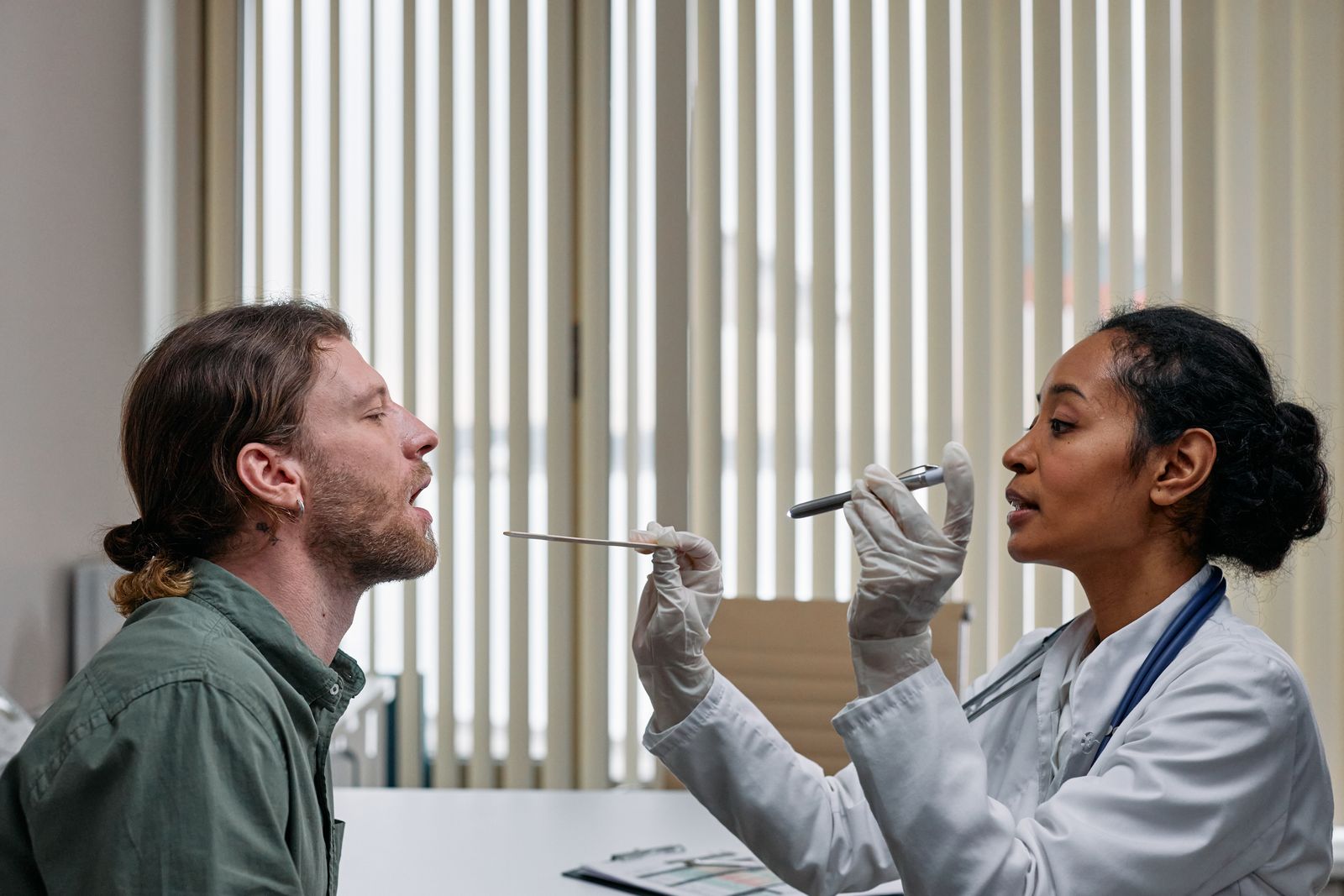
How this works at QuickCare
Most of what walks through our doors is an acute infection: a throat that has been raw for three days, a sinus that has not cleared in ten, an ear that woke a four-year-old at 2 am, or burning with urination that started this afternoon. Those are all same-visit problems, and in most cases the test that settles the question is one we run in the building.
Our providers work from published clinical guidance rather than habit. A sore throat is scored before it is swabbed, not after. A sinus complaint under ten days with improving symptoms is usually viral and is treated as viral. A first uncomplicated urinary tract infection in a non-pregnant adult gets a dipstick urinalysis, and a culture only when the picture is unclear or the infection keeps coming back.
That discipline exists because antibiotic stewardship matters. Roughly a third of outpatient antibiotic prescriptions in the United States are unnecessary, and every unnecessary course carries a real risk of rash, diarrhoea and resistance. When we say a virus has to run its course, we also tell you exactly what to watch for and when to come back.
What is included
- Focused history and examVitals, throat, ears, chest, abdomen or skin as the complaint requires, with pulse oximetry on every respiratory visit.
- Point-of-care testingRapid group A strep, influenza A and B, SARS-CoV-2, RSV, urinalysis, urine pregnancy and rapid mono, read before you leave.
- Treatment started in the roomFirst dose of an antibiotic, an antiemetic, a nebulised bronchodilator or intramuscular ceftriaxone where it is indicated.
- Prescriptions sent electronicallyTo the pharmacy you name, usually before you reach your car.
- A written planWhat you have, what to take, what should improve by when, and the specific signs that mean come back or go to an emergency department.
- Records to your primary care officeA visit summary is sent on request so your regular provider is not surprised later.
Step by step
- 01Check inOnline through Save your spot, or at the front desk. Photo ID and insurance card if you have one.2 min
- 02Triage and vitalsTemperature, pulse, blood pressure, respiratory rate and oxygen saturation, plus the reason you came in your own words.5 min
- 03Provider examA physician, physician assistant or nurse practitioner examines you and orders any rapid testing.10 to 15 min
- 04Testing and resultsRapid tests are run in our CLIA-waived lab and read in the building.10 to 20 min
- 05Plan and dischargeDiagnosis, prescriptions, written instructions, work or school note and follow-up advice.5 min
Do not come here. Call 911, or go to an emergency department, for:
- Trouble breathing, or speaking in single words
- Stiff neck with fever and a rash that does not fade under pressure
- Confusion, or a child who cannot be roused
- Fever in an infant under 3 months
QuickCare is an urgent care clinic. We do not treat life-threatening emergencies, and we will call an ambulance for you if you arrive with one.
Questions about illness and infections
Only if the exam and any testing support a bacterial cause. If your illness is viral we will say so, treat the symptoms properly, and give you a written list of the changes that would mean you need to be re-checked.
Yes, from six months of age. Infants younger than three months with a fever should be evaluated at a paediatric emergency department, not an urgent care.
We can provide a short bridge supply of most non-controlled maintenance medications while you get back in with your primary care provider. We do not start or refill controlled substances.
Roughly 10 minutes for the rapid antigen test. When a rapid strep is negative in a child but the picture still fits, we send a backup throat culture and call you in 24 to 48 hours.
General information only, not medical advice. It cannot replace an examination, and it does not create a provider and patient relationship. If this is a medical emergency, call 911.
Need illness and infections today?
Walk into any clinic, or hold your place in line first. Either way you see a provider, not a kiosk.