Open now. Walk in, or hold your place from the car.
Sick or hurt today? Get seen in minutes, not hours.
Four Oklahoma City urgent care clinics with on-site X-ray, a rapid lab and providers who trained in emergency departments. Posted prices. No facility fee.
Four options, one honest table. The emergency department column exists so you use it when you need it, and skip the four-figure bill when you do not.
Swipe the table sideways to see every column.
Sample wait and cost figures for illustration. Your plan, your clinic and your presentation all change them.
What is going on
Emergency departmentCall 911 or go now
QuickCare urgent careWalk in or save your spot
Primary careYour regular clinician
Virtual visitVideo from home
Chest pain, stroke signs, heavy bleeding
Yes, immediately
No, we will call 911 for you
No
No
Cut that needs stitches
If deep or involving tendon
Yes, most cuts
Rarely
No
Possible broken wrist or ankle
If deformed or open
Yes, X-ray on site
Referral only
No
Sore throat, sinus pain, ear pain
Not appropriate
Yes, same visit testing
Yes, if you can get in
Often
Urinary tract infection
Only with fever and flank pain
Yes
Yes
Uncomplicated cases
Rash or insect bite
Only with breathing trouble
Yes
Yes
Often
Sports or DOT physical
No
Yes, walk in
Yes, by appointment
No
Typical wait
2 to 6 hours (sample)
11 to 34 minutes (sample)
Days to weeks
Under 20 minutes
Typical self-pay cost
$1,200 to $3,000 (sample)
$139 to $325 (sample)
$120 to $250 (sample)
$59 (sample)
Open evenings and weekends
Always
Yes, until 8 pm
Rarely
Yes, 8 am to 8 pm
General information only, not medical advice. It cannot replace an examination, and it does not create a provider and patient relationship. If this is a medical emergency, call 911.
What we treat, most days, all day
The everyday list. If it is not here, call and ask. We would rather redirect you in 90 seconds than have you sit in the wrong waiting room.
Sore throat and tonsillitisCuts needing stitchesSprains and possible fracturesUrinary tract infectionFlu, COVID-19 and RSVEar pain and sinus pressure
General information only, not medical advice. It cannot replace an examination, and it does not create a provider and patient relationship. If this is a medical emergency, call 911.
Cuts, and how they get closed
Does this cut need stitches or glue?
Closure method is decided by location, tension, contamination and the hours since the injury. Answer three questions and you will see the reasoning we use in the room.
Most likely approach
Primary closure today
Closure6-0 nylon, or 2-octyl cyanoacrylate skin adhesive on clean low-tension edges
Removal4 to 5 days
TetanusBooster if your last tetanus vaccine was more than 10 years ago
A cut that crosses the vermilion border of the lip, involves the eyelid margin, or goes through the full thickness of the ear or nose needs precise alignment. We repair many of these and refer the rest the same day.
Skip all of this and call 911, or go to an emergency department, if:
Bleeding that does not slow after 10 minutes of firm direct pressure
You can see bone, tendon, or the inside of a joint
Numbness, or you cannot bend or straighten the finger past the cut
A puncture to the chest, abdomen or neck
An amputated fingertip, or a near-amputation
A bite from a bat, skunk, raccoon or an unfamiliar dog
Tetanus, in one table
Wound type
Booster rule
Clean and minor
Booster if your last tetanus vaccine was more than 10 years ago
Dirty, deep or a puncture
Booster if your last tetanus vaccine was more than 5 years ago
Unknown or fewer than 3 lifetime doses
Vaccinate, and consider tetanus immune globulin for a contaminated wound
A guide to how closure decisions are made, not a substitute for an examination. Only a clinician who has seen and tested the wound can decide how it should be closed. If this is a medical emergency, call 911.
The same Tuesday evening, two ways
A sprained ankle does not need a $2,400 bill
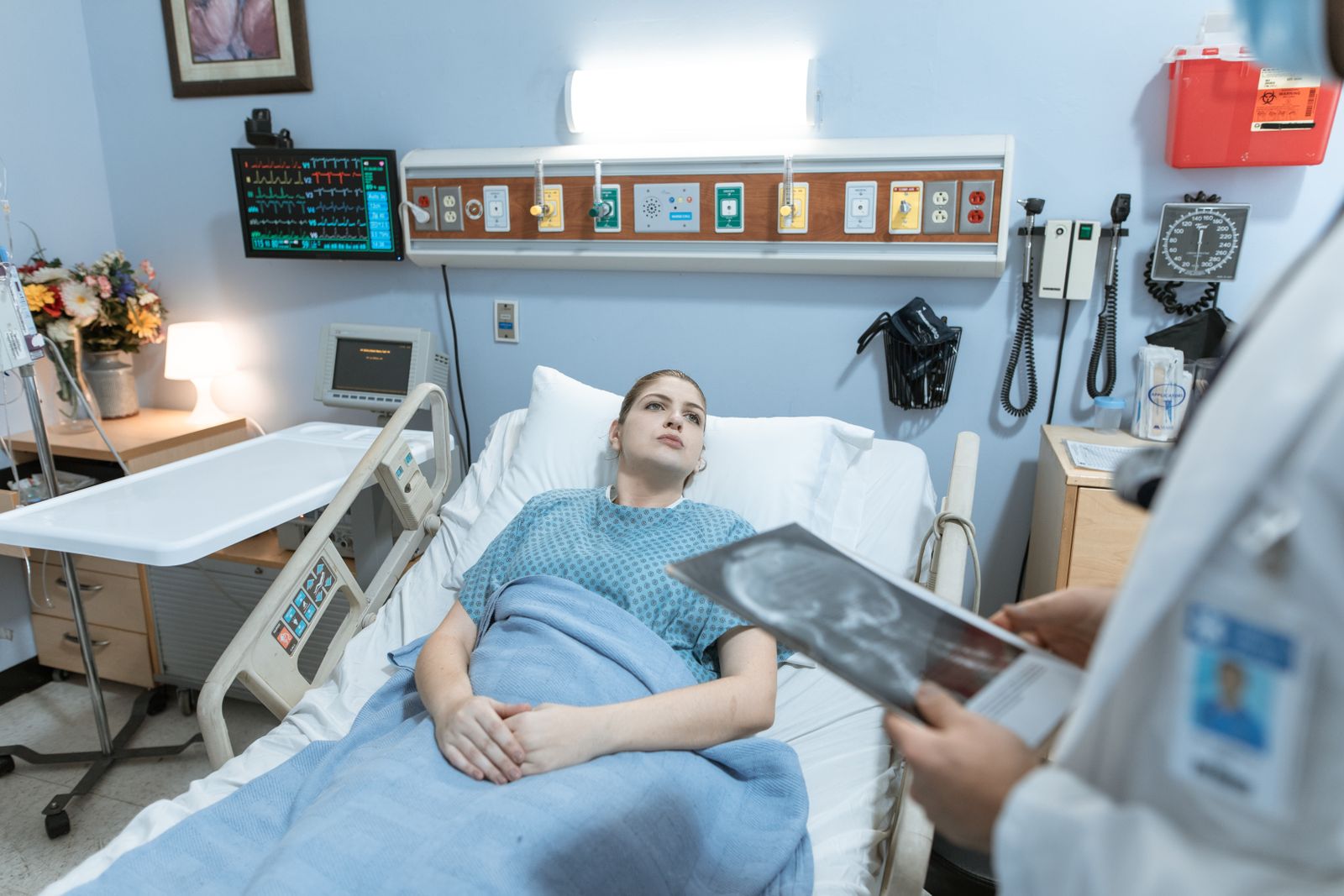
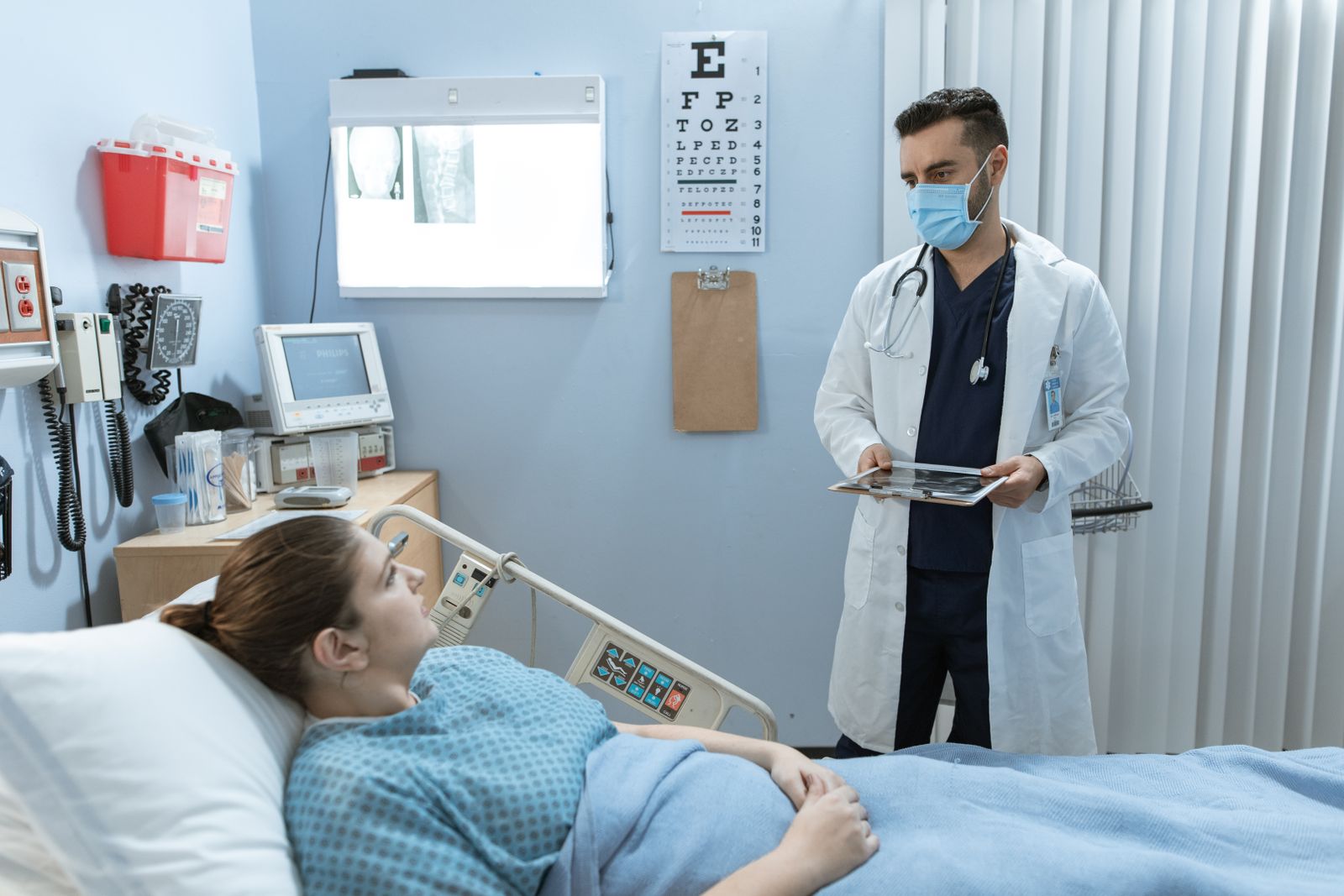
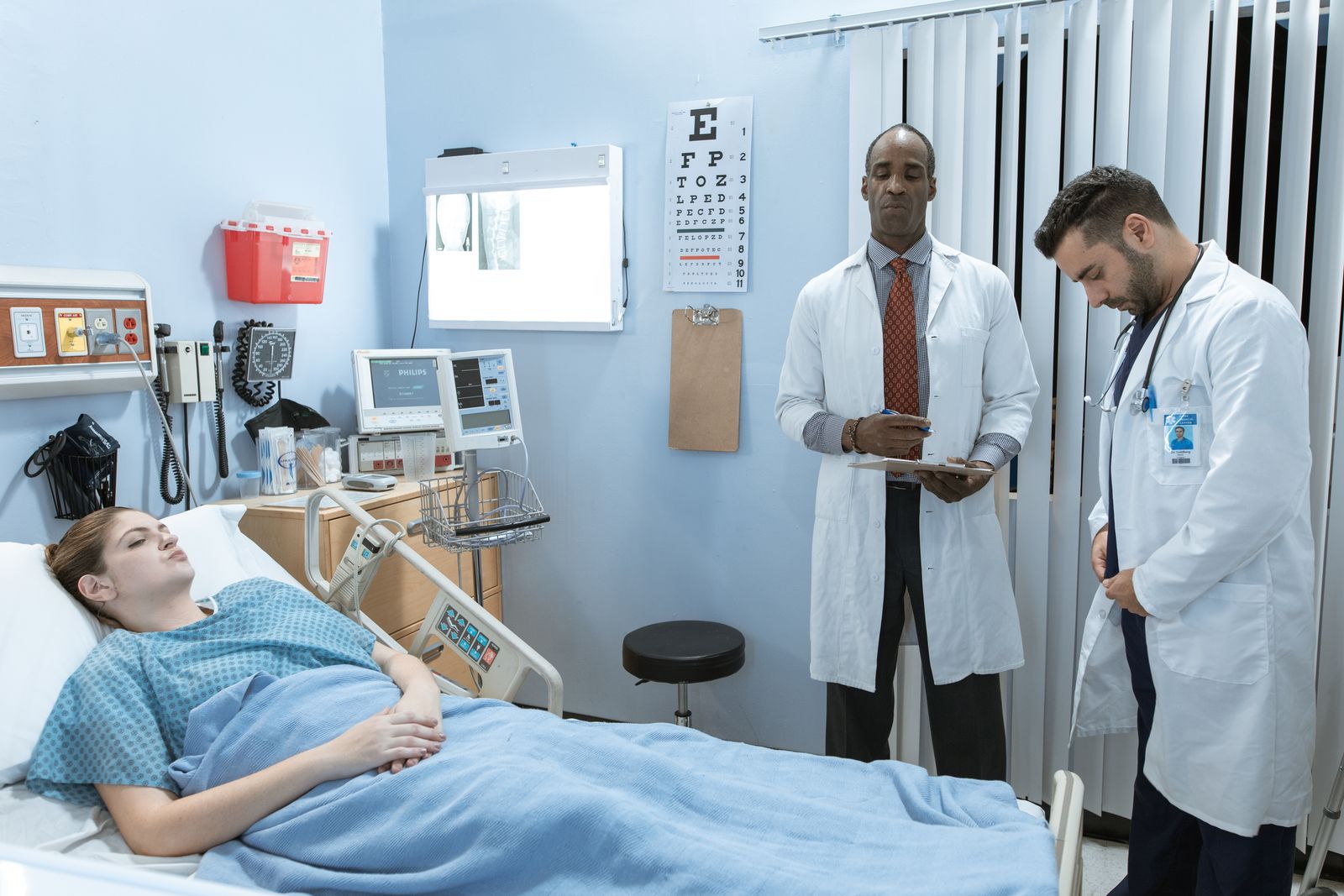
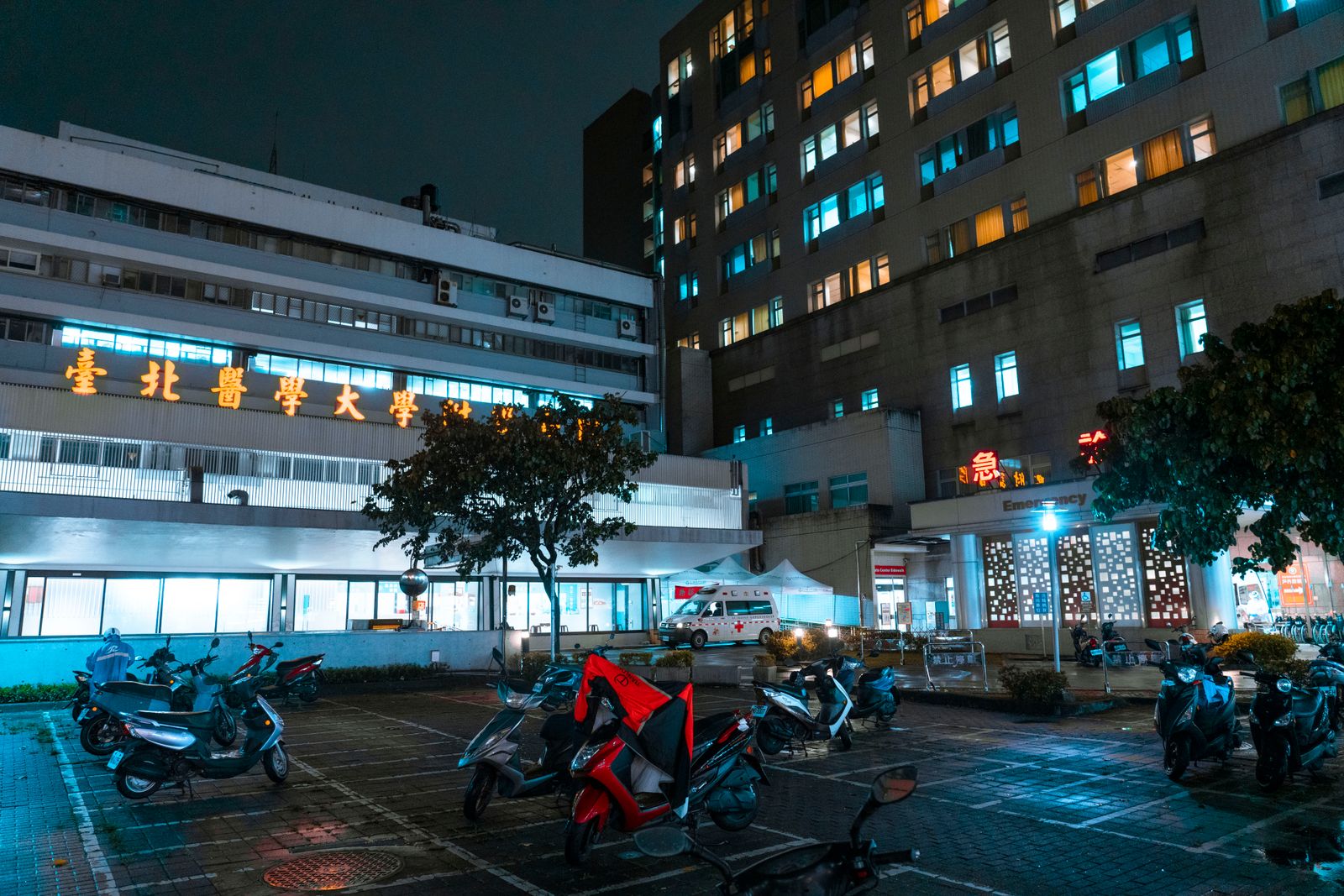
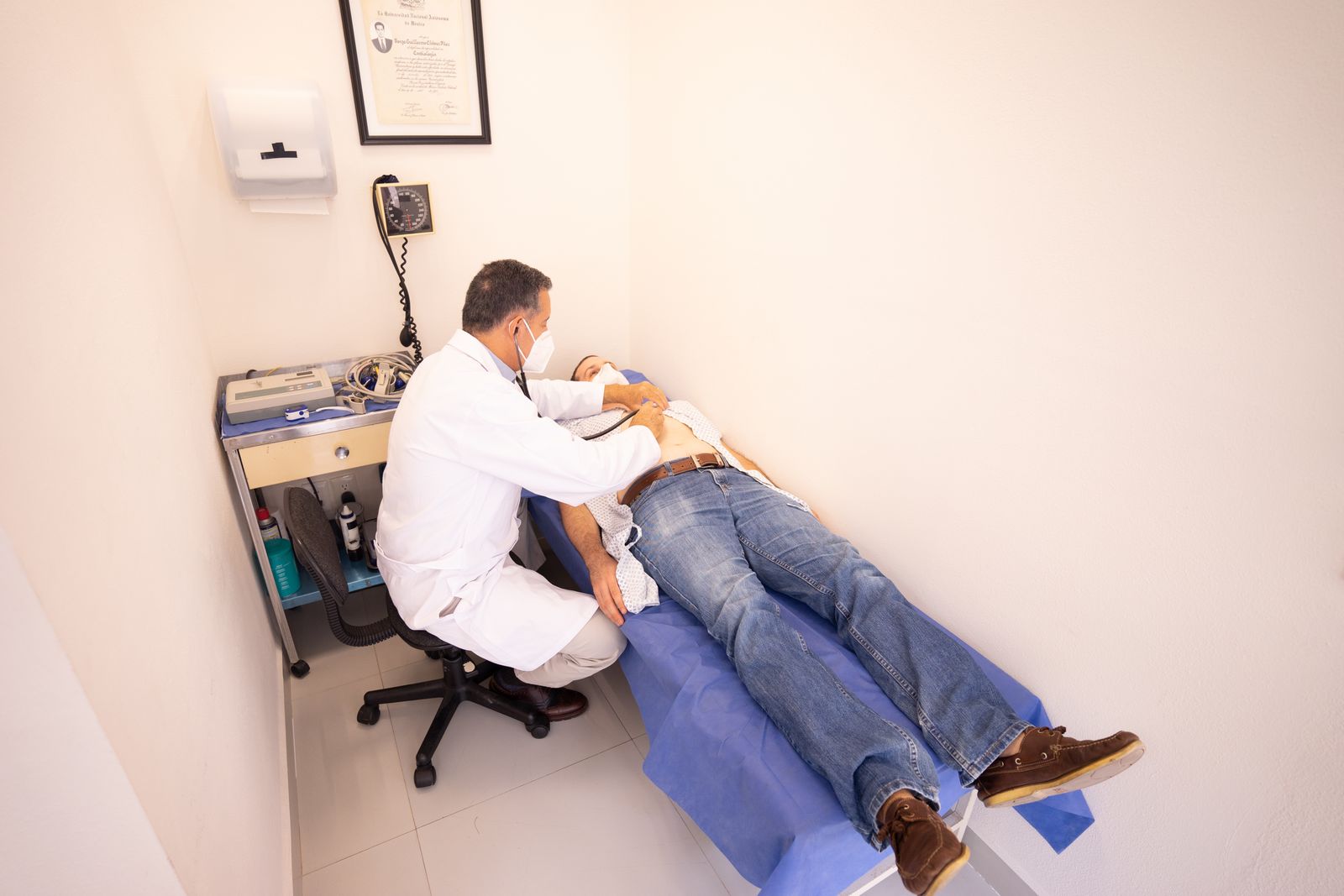
Drag the handle. Left is a hospital emergency department at 7 pm. Right is a QuickCare exam room at the same moment. Both photographs are illustrative.
Emergency department
QuickCare exam room
What changes
Typical wait2 to 6 hours11 to 34 minutes
Typical self-pay cost$1,200 to $3,000$139 to $325
Facility feeUsually chargedNever charged
Who you see firstTriage nurse, then waitTriage, then a provider
Follow-upDischarge paperworkRecheck at $59 within 14 days
Sample figures for this demo site. Actual charges depend on your plan, your deductible and what the visit involves.
Most twisted ankles do not need imaging, and a normal X-ray treats nothing. These four validated rules are applied at the bedside before the technologist is called.
Ottawa ankle rules
Ankle pain after a twist or a fall
Bone tenderness along the back edge or tip of the lateral malleolus
Bone tenderness along the back edge or tip of the medial malleolus
Unable to bear weight both immediately and for four steps in the clinic
Any one present, we image. None present, an ankle series would almost certainly be normal.
Validated across large studies with sensitivity approaching 100 percent for clinically significant malleolar fracture, and it removes roughly a third of unnecessary ankle films.
Ottawa foot rules
Midfoot pain after the same mechanism
Bone tenderness at the base of the fifth metatarsal
Bone tenderness over the navicular
Unable to bear weight immediately and for four steps
Any one present, we take a foot series as well as, or instead of, the ankle.
Ankle and foot are separate films. Tenderness at the base of the fifth metatarsal is the single most commonly missed reason to shoot the foot.
Ottawa knee rule
Acute knee injury
Age 55 or older
Isolated tenderness of the patella
Tenderness at the head of the fibula
Unable to flex the knee to 90 degrees
Unable to bear weight for four steps immediately and in the clinic
Any one present, we image the knee.
It applies to acute injury only. A knee that has ached for three weeks without trauma is a different problem and needs a different work-up.
Canadian C-spine rule
Neck pain after trauma, alert and stable patient
Age 65 or older
A dangerous mechanism: fall from over three feet or five stairs, axial load, high-speed crash, rollover, ejection, bicycle collision
Numbness or tingling in the arms or legs
Unable to rotate the neck 45 degrees left and right
Any high-risk feature present, we do not image here. You go to an emergency department for CT.
This rule exists to decide who needs imaging, not which imaging we do. Plain films are poor at clearing a cervical spine, so a positive rule is a transfer, not a radiograph.
What a plain X-ray will not show you
Scaphoid fracture
Tenderness in the anatomical snuffbox is treated as a fracture even when the first film is clean, because up to a quarter are invisible for the first ten to fourteen days. We splint in a thumb spica and re-image.
Head injury
Plain films of the skull have almost no role. Anyone who needs intracranial imaging needs CT, and that means an emergency department.
Abdominal pain
An abdominal radiograph rarely answers the question. Suspected appendicitis, diverticulitis, obstruction or an aortic problem all need CT or ultrasound elsewhere.
Soft tissue and ligament injury
X-ray shows bone. A torn anterior cruciate ligament, a meniscal tear or a rotator cuff tear needs MRI, arranged through orthopaedics after we splint and refer.
Radiolucent foreign bodies
Glass and metal usually show on plain film. Wood, plastic and most thorns do not, so a clean X-ray does not mean the splinter is gone.
Suspected pulmonary embolism
A chest radiograph cannot rule it out. If the story fits, you belong in an emergency department for CT angiography and D-dimer testing.
These rules guide clinicians. They are described here as general information, not as a way to decide for yourself whether an injury needs imaging. If this is a medical emergency, call 911.
Rapid lab, read before you leave
What each test actually measures
A result is only useful if you know what it can and cannot tell you. Every clinic holds a CLIA certificate of waiver and runs this menu on site.
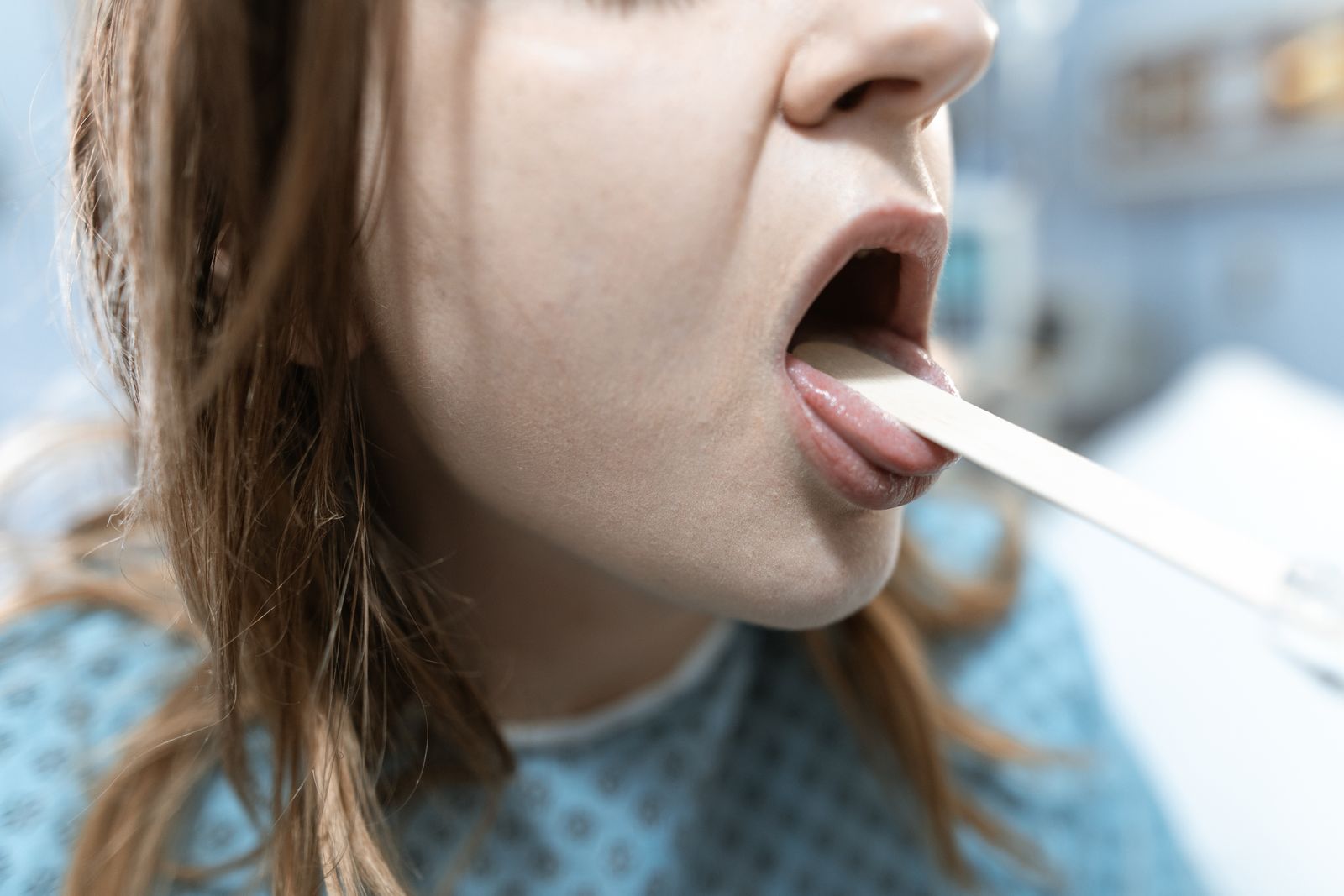
A surface carbohydrate antigen from Streptococcus pyogenes on the tonsils and posterior pharynx.
A positive means
Positive means strep is present and an antibiotic is indicated, usually penicillin or amoxicillin for ten days.
What it cannot tell you
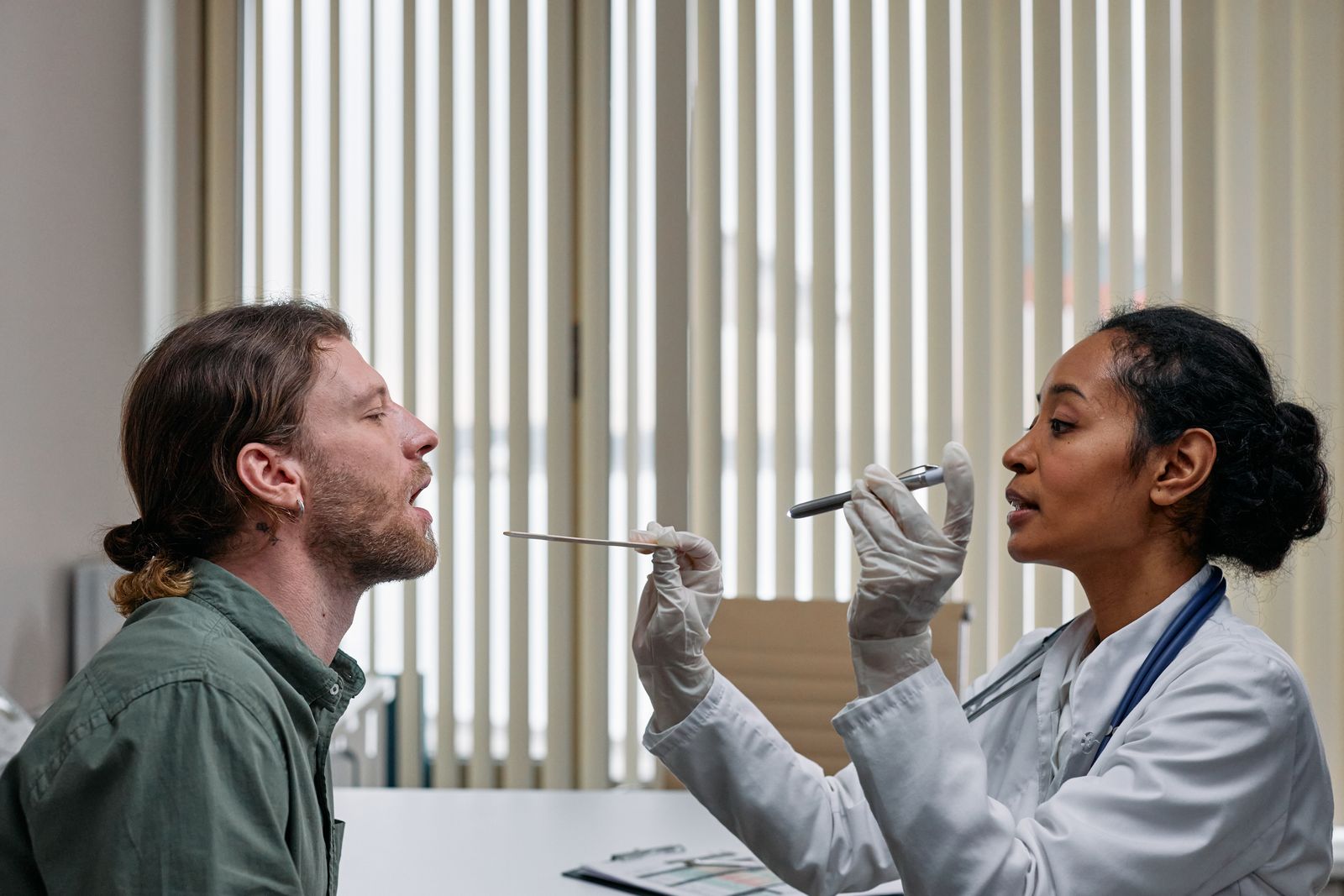
A negative test in a child is backed up with a throat culture, because the antigen test misses some true infections. It also cannot tell an active infection from long-term carriage, which is why we score the throat with the Centor criteria before swabbing.
Influenza A and B
15 to 30 minutes
Nasal swab
Measures
Influenza viral antigen or nucleic acid, depending on the platform in use that day.
A positive means
Positive supports starting oseltamivir, which helps most when it is begun within 48 hours of symptom onset.
What it cannot tell you
Sensitivity falls sharply after the first few days of illness and in people who have already taken antivirals. A negative test late in the illness does not mean it was not influenza.
SARS-CoV-2 antigen
About 15 minutes
Nasal swab
Measures
Nucleocapsid protein from the virus.
A positive means
A positive antigen test is reliable and is acted on immediately.
What it cannot tell you
Antigen tests are far less sensitive than PCR, particularly in the first day or two of symptoms. A negative result in a symptomatic person is repeated in 48 hours or escalated to PCR.
Urinalysis with reflex culture
10 minutes on site, culture 24 to 48 hours
Clean-catch urine
Measures
Nitrites, leukocyte esterase, blood, protein, glucose, ketones and specific gravity, plus microscopy.
A positive means
Nitrites are produced by gram-negative bacteria and are fairly specific for infection. Leukocyte esterase indicates white cells, which is supportive but far less convincing on its own.
What it cannot tell you
A dipstick cannot identify which organism or which antibiotic will work. We send a culture when the infection is recurrent, complicated, in a man, in pregnancy, or when the first antibiotic failed.
Rapid mononucleosis (heterophile)
About 10 minutes
Fingerstick blood
Measures
Heterophile antibodies produced in response to Epstein-Barr virus.
A positive means
Positive explains a long febrile sore throat with large nodes, and changes the advice: no contact sport for at least three to four weeks because of splenic rupture risk.
What it cannot tell you
Frequently negative in the first week of illness and unreliable in young children. A negative test early on gets repeated rather than believed.
Blood and chemistry
02
Complete blood count
Next business day (send-out)
Venous blood
Measures
Red cells, haemoglobin, haematocrit, white cells with differential, and platelets.
A positive means
A raised neutrophil count supports bacterial infection; a raised lymphocyte count leans viral. Low haemoglobin points to anaemia and needs a cause, not just iron.
What it cannot tell you
A normal white count does not exclude serious infection, especially in older adults and anyone on steroids or chemotherapy.
Comprehensive metabolic panel
Next business day (send-out)
Venous blood
Measures
Sodium, potassium, chloride, bicarbonate, glucose, urea nitrogen, creatinine, calcium, albumin and liver enzymes.
A positive means
Creatinine and urea nitrogen describe kidney function, which decides whether many antibiotics need dose adjustment. Alanine and aspartate transaminase point at the liver.
What it cannot tell you
It is a snapshot. A single creatinine cannot distinguish acute kidney injury from long-standing chronic kidney disease without a previous value to compare.
Screening
03
Haemoglobin A1c
About 6 minutes
Fingerstick blood
Measures
The percentage of haemoglobin that is glycated, reflecting average glucose over roughly the past three months.
A positive means
5.7 to 6.4 percent falls in the prediabetes range; 6.5 percent or above on two occasions supports a diagnosis of diabetes.
What it cannot tell you
Unreliable in anaemia, recent blood loss, transfusion, pregnancy and some haemoglobin variants. We refer a new abnormal result to primary care rather than starting long-term treatment from an urgent care visit.
Urine pregnancy (hCG)
About 5 minutes
Urine
Measures
Human chorionic gonadotropin, detectable from roughly the time of a missed period.
A positive means
A positive result changes imaging, medication and antibiotic choice immediately, which is why we test before X-ray in anyone who could be pregnant.
What it cannot tell you
A very early pregnancy can test negative. Dilute urine late in the day lowers sensitivity further.
Lipid panel
Next business day (send-out)
Venous blood, fasting
Measures
Total cholesterol, LDL, HDL and triglycerides.
A positive means
Used with your other risk factors to estimate cardiovascular risk, not read as a single pass or fail number.
What it cannot tell you
Requires a 9 to 12 hour fast for accurate triglycerides. Water and black coffee are fine. This is a primary care conversation and we send the result on.
Test descriptions are general information, not medical advice. Results are interpreted alongside your examination by the clinician who ordered them. If this is a medical emergency, call 911.
For employers across the metro
Occupational medicine, run to the federal standard
A DOT physical follows 49 CFR 391.41. Respirator clearance follows OSHA 1910.134 Appendix C. Get the paperwork wrong and the exam is worthless, however good the examination was.
One coordinator, one rate sheet, same business day reporting
Protocols by job class, a documented authorised-sender list so results reach only the people entitled to see them, and walk-in occupational hours weekdays until 6 pm.
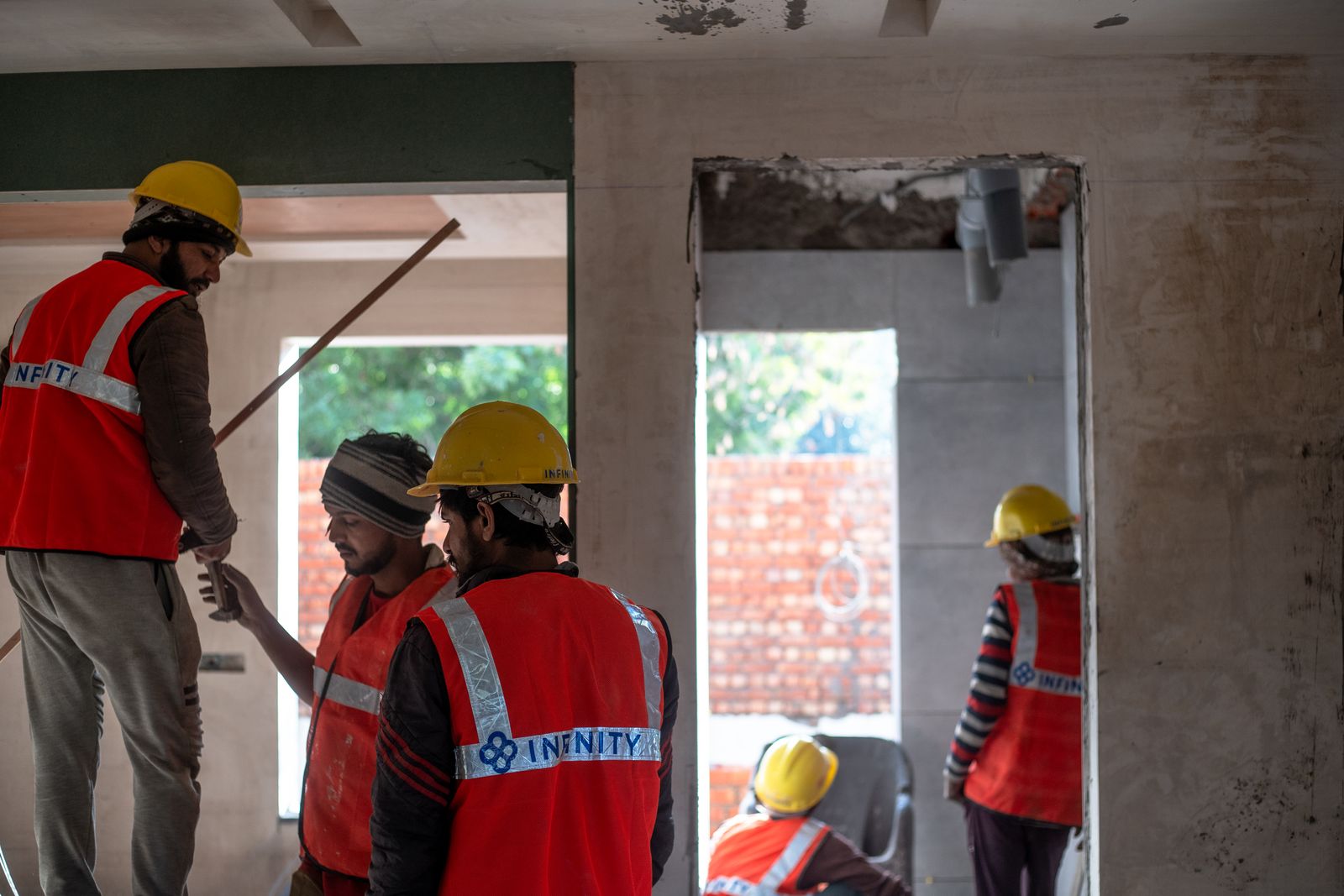
Pre-placement screening for a construction crew at the Moore clinic.
DOT physical
49 CFR 391.41 and 391.43
Driver's licence, glasses or contacts, and hearing aids if worn
A complete list of medications with doses and the prescribing clinician
Vision at least 20/40 in each eye with correction, plus 70 degrees of horizontal field
Hearing: forced whisper at five feet, or an audiometric alternative
MCSA-5875 examination report retained, MCSA-5876 medical examiner's certificate issued to you the same visit.
Drug and alcohol screening
49 CFR Part 40 for DOT collections
DOT 5-panel: marijuana metabolites, cocaine, amphetamines, opioids and phencyclidine
Non-DOT 10-panel adds barbiturates, benzodiazepines, methadone, methaqualone and propoxyphene
Split specimen collection with temperature check within four minutes
Results released only to your designated employer representative or medical review officer, never to a supervisor who telephones.
Respirator medical clearance
OSHA 1910.134 Appendix C
The Appendix C medical questionnaire, completed confidentially by the employee
Spirometry where the questionnaire or job class indicates it
Blood pressure and a focused cardiopulmonary examination
Clearance must come before fit testing, not after.
Audiometric testing
OSHA 1910.95 hearing conservation
At least 14 hours away from workplace noise before the baseline test
Otoscopic examination to exclude wax occlusion before testing
Pure-tone air conduction thresholds at 500, 1000, 2000, 3000, 4000 and 6000 Hz
Triggered at an 8-hour time-weighted average of 85 dB.
Annual audiograms and respirator fit testing on site.
OSHA recordability opinion
The line between first aid and a recordable case is drawn by the treatment given, not by how bad the injury looked. We document which side of it we landed on, and why.
First aid
Non-prescription medication at non-prescription strength, wound cleaning, bandages, hot or cold therapy, non-rigid support.
Recordable
Sutures, staples, prescription medication, a rigid splint for immobilisation, or removing a foreign body from the eye with anything but irrigation.
Return-to-work planning
Restrictions have to be specific enough to schedule. We write weights, hours, and the movements to avoid, with a review date rather than an open end.
Maximum lift, push and pull in pounds, and how often
Standing, walking and sitting tolerance in hours
Specific prohibited movements: overhead reach, ladder work, kneeling, driving
A named review date, usually 7 or 14 days
Regulatory summaries for general information. Employers remain responsible for their own compliance obligations, and the OSHA recording decision stays with the employer. If this is a medical emergency, call 911.
The point of an urgent care is finishing the problem in one visit. That only works if the imaging, the lab and the procedure room are in the building.
A radiography room, not a referralDigital plain film at Midtown, Edmond and Moore, with an ARRT registered technologist on duty every open hour.
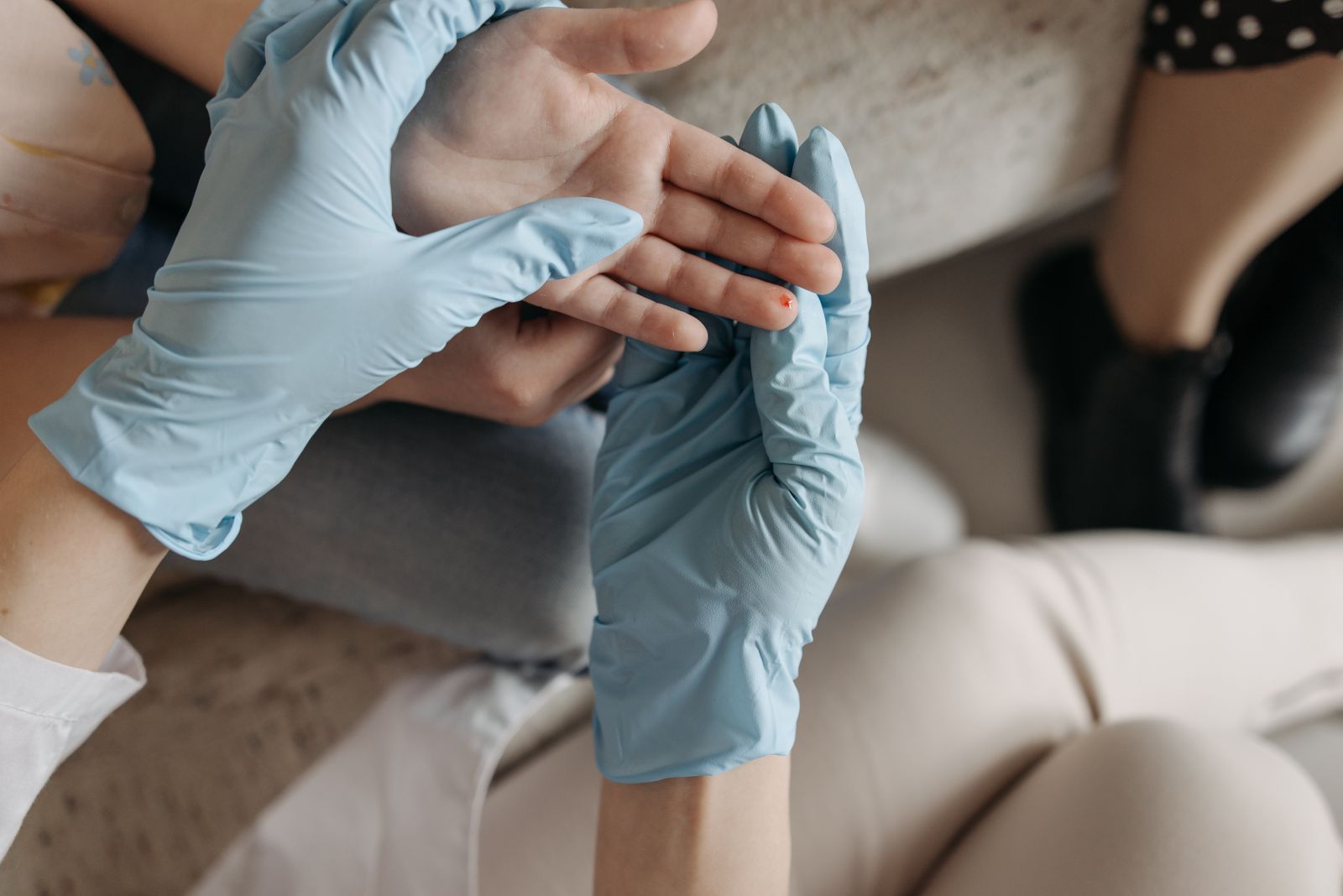
A lab bench, not a courier bagRapid strep, influenza, COVID-19, RSV, urinalysis, A1c and pregnancy testing run in the building and read before you leave.
A proper procedure roomOverhead lighting, sterile instrument sets, topical anaesthetic for children and a splint inventory that covers wrist to walking boot.
Call 911 for chest pain or pressure, stroke signs, trouble breathing, heavy bleeding that will not stop, a seizure, new confusion, severe abdominal pain, or a head injury with vomiting or drowsiness. Urgent care is for illness and injury that needs attention today but is not life or limb threatening.
No. All four clinics are walk-in, every hour we are open. Saving your spot online holds a place in the queue and usually shortens the time you spend in the waiting room, but you are never turned away for arriving without one.
Yes. Self-pay prices for every common service are published on the pricing page and quoted before treatment starts. We do not add a facility fee.
Rapid tests are read in the building: strep in about 10 minutes, COVID-19 antigen in about 15, influenza in 15 to 30, urinalysis in about 10 and A1c in about 6. Send-out panels are usually back in one to three business days.
No. Urgent care visits here are billed as an office visit. The hospital-style facility fee that turns a $200 visit into a $900 one is the single biggest reason people end up surprised by an emergency department bill.
The waits shown on this demo site are sample figures. In a live clinic the number is an estimate that moves as ambulances, serious presentations and complex repairs arrive. A short wait can become a long one in five minutes, and we would rather tell you that than pretend otherwise.
Everything on this site, in one place
Not a menu, the whole index
Forty-one pages: every service, every clinic, every provider, every employer programme and every article. No hunting through a navigation bar.
Services
09
Eight walk-in services, each with what is included, the process and the prices.