Ankle injuries are the most common reason people walk into an urgent care expecting a film, and most of them do not need one. That is not a cost-saving position, it is a clinical one: the majority of X-rays taken for twisted ankles are normal, and a normal film does not treat anything.
The Ottawa ankle rules exist to sort this out at the bedside.
What the rule says
An ankle radiograph is indicated if there is pain in the malleolar zone together with any one of three findings.
- Bone tenderness along the posterior edge or tip of the lateral malleolus, over the distal six centimetres of the fibula
- Bone tenderness along the posterior edge or tip of the medial malleolus, over the distal six centimetres of the tibia
- An inability to bear weight, both immediately after the injury and for four steps in the clinic
And the foot rule alongside it
A separate foot radiograph is indicated if there is midfoot pain together with bone tenderness at the base of the fifth metatarsal, bone tenderness over the navicular, or the same inability to take four steps.
Ankle and foot are different films. The base of the fifth metatarsal is the classic miss: the patient points at their ankle, the ankle series is normal, and the avulsion fracture sits just off the edge of the image.
Why it is trusted
The rules have been validated repeatedly in large studies across adults and children, with sensitivity for clinically significant fracture approaching 100 percent. Applied properly they reduce unnecessary ankle radiography by around a third.
The words posterior edge matter. Tenderness over the soft tissue just below the malleolus is a ligament, and ligaments do not show on plain film. The test is bone tenderness on the bone itself.
Where the rule does not apply
It is designed for acute injury in an alert, cooperative patient. It should not be used when there is intoxication, a distracting injury elsewhere, reduced sensation in the leg, more than ten days since the injury, or in very young children who cannot reliably localise pain.
If you do not meet it
A sprain is a real injury and it is treated. The current approach is protection, optimal loading, ice, compression and elevation, which is a deliberate update on the old rest-only advice, because early controlled movement produces a better ankle at six weeks than immobilisation does.
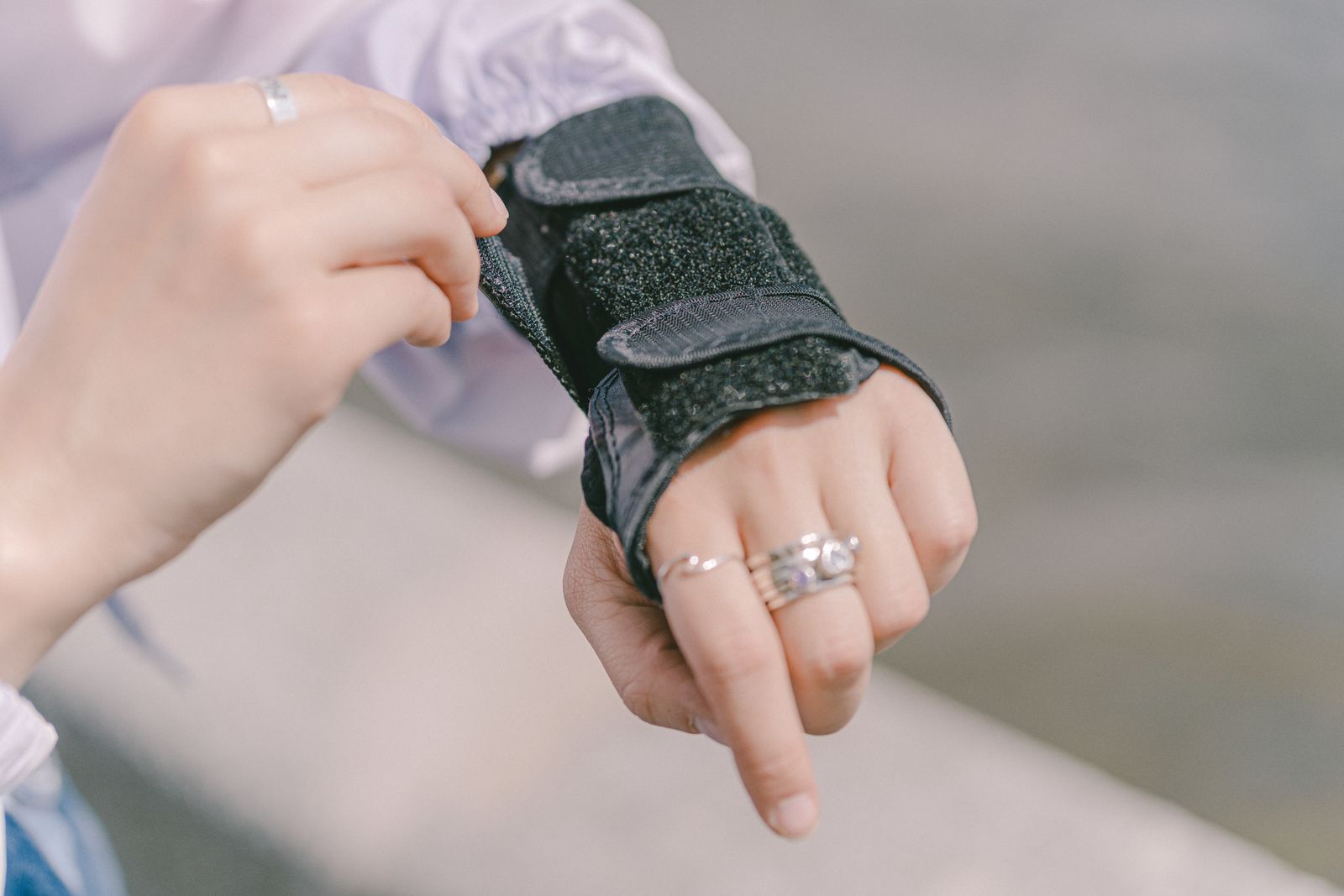
We fit an appropriate brace or boot, give you a weight-bearing plan, and tell you the two things that should make you come back: an ankle that is no better at seven to ten days, or one that keeps giving way.
And the honest limits of plain film
An X-ray shows bone. It does not show a torn ligament, a peroneal tendon that has subluxed, or an osteochondral lesion inside the joint. If the swelling and pain do not behave the way a sprain should, the next step is an orthopaedic opinion and probably MRI, not another radiograph here.
What to take away
- Bone tenderness on the posterior edge of either malleolus, or four steps you cannot take, earns a film.
- Midfoot tenderness needs a separate foot series. The base of the fifth metatarsal is the common miss.
- The rule needs an alert, sober patient with an injury less than ten days old.
- A sprain without a fracture still gets a brace, a loading plan and a follow-up trigger.
Call 911 instead, right now, for any of these
- Chest pain or pressure, especially spreading to the arm, jaw or back
- Sudden face droop, arm weakness or slurred speech: act FAST and call 911
- Trouble breathing, or being unable to speak a full sentence
- Heavy bleeding that will not stop with firm pressure
QuickCare is an urgent care clinic. We do not treat life-threatening emergencies, and we will call an ambulance for you if you arrive with one.
General information only, not medical advice. It cannot replace an examination, and it does not create a provider and patient relationship. If this is a medical emergency, call 911.